Top 10 Companies in the E-Reader Market (2026)

While physical books remain popular among voracious readers, portability and convenience constraints have increasingly molded reading habits, particularly among frequent travelers and digital-first consumers. Dedicated e-readers address these limitations by offering lightweight devices, eye-friendly displays, and access to extensive digital libraries within a single platform.
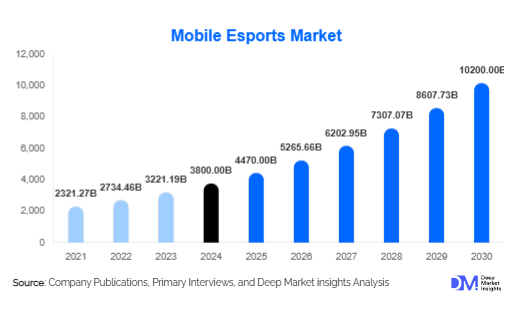
Reflecting this growing inclination towards e-readers, the global market is projected to reach $12,548.62 million by 2030, expanding at a CAGR of 6.5%.
Competition within the sector is increasingly defined by display innovation, device durability, and ecosystem integration, with leading manufacturers introducing features such as color E Ink displays, waterproof designs, and cloud-based content synchronization.
1. Amazon (Kindle)

Amazon dominates the e-reader market through its Kindle ecosystem, which combines proprietary hardware with the world’s largest digital book marketplace. Kindle devices are known for competitive pricing, seamless integration with Amazon’s content library, and features such as Whispersync, adjustable front lighting, and long battery life. Amazon’s scale allows it to continuously refresh hardware while maintaining strong margins through content and subscription services such as Kindle Unlimited.
2. Rakuten Kobo

Rakuten Kobo has established itself as the leading alternative to Kindle in several international markets, particularly in Europe, Canada, and parts of Asia-Pacific. Kobo’s strength lies in its open-format support, wide range of device sizes, and partnerships with local booksellers. Its emphasis on EPUB compatibility and library integration appeals to readers seeking flexibility beyond closed ecosystems.
3. Barnes & Noble

Barnes & Noble remains a significant player through its NOOK e-reader lineup, primarily focused on the U.S. market. While its global reach is narrower than some competitors, Barnes & Noble leverages its strong physical retail presence and brand recognition among traditional readers. The company continues to position NOOK devices as straightforward, value-oriented alternatives for dedicated reading.
4. PocketBook International

PocketBook International is a well-established European manufacturer known for broad format support and multilingual capabilities. Its devices often include advanced features such as text-to-speech, audiobook playback, and physical page-turn buttons. PocketBook’s appeal lies in its balance between affordability and premium functionality, particularly in Central and Eastern Europe.
5. Onyx International
Onyx International operates under the BOOX brand and targets users seeking multifunctional E Ink devices. Unlike traditional e-readers, BOOX products often run on Android, enabling note-taking, document editing, and third-party app usage. This positioning has made Onyx a strong contender in professional and academic segments where reading and productivity intersect.
6. Sony Corporation

Sony Corporation was one of the early pioneers in the e-reader market and continues to maintain a presence, particularly in Japan. Sony’s e-readers are closely integrated with its domestic digital publishing ecosystem and are recognized for build quality and display performance. While its global footprint has narrowed, Sony retains strategic relevance in its home market.
7. Xiaomi Corporation
Xiaomi Corporation has expanded into the e-reader market as part of its broader smart device portfolio. Xiaomi’s offerings typically emphasize competitive pricing, minimalist design, and integration with its ecosystem of connected devices. The company’s strength lies in mass-market accessibility, particularly in China and emerging economies.
8. Hanvon Technology

Hanvon Technology is a long-standing Chinese player specializing in E Ink hardware and handwriting recognition technologies. Its e-readers are widely used in educational and institutional settings within China. Hanvon’s focus on pen input and localized content platforms differentiates it from more consumer-centric global brands.
9. Tolino Alliance
Tolino Alliance represents a collaborative model rather than a single manufacturer. Backed by major German booksellers and technology partners, Tolino devices are designed to support regional publishing ecosystems. The alliance has successfully defended market share in German-speaking countries by emphasizing openness, data privacy, and local content partnerships.
10. Bookeen

Bookeen is a smaller but notable European player with a focus on lightweight devices and EPUB compatibility. Historically strong in France, Bookeen has catered to readers who value simplicity, open standards, and independence from large global platforms. Its role is more niche but remains relevant within specific regional markets.
Final Word
The e-reader market is expected to remain stable rather than explosive, with growth driven by replacement demand, educational use cases, and hybrid devices that combine reading with note-taking.
Companies that successfully integrate hardware innovation with flexible content ecosystems are best positioned to sustain relevance. As digital reading habits continue to diversify, the odds will increasingly favor players that balance openness, usability, and ecosystem depth.