Top 7 Matcha Perfume Trends to Watch in 2025
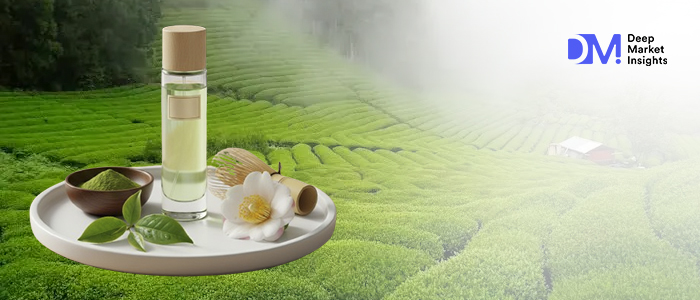
Known for its earthy, green, and calming aroma, matcha embodies the values of mindfulness, sustainability, and purity that contemporary consumers increasingly seek.
Both established fragrance houses and niche brands are embracing matcha to create sophisticated, story-driven perfumes that align with evolving lifestyle and beauty trends.
According to Deep Market Insights, the global matcha perfume market size is projected to grow from $560.04 million in 2025 to reach $811.52 million by 2030, expanding at a CAGR of 7.7% during the forecast period (2025–2030). This steady expansion highlights the market’s growing commercial potential and the increasing adoption of matcha-based fragrances across premium and mainstream segments.
Major trends impacting the Matcha Perfume Industry are as follows:
1. Rising Consumer Interest and Search Growth
Consumer interest in matcha-based fragrances has grown rapidly, supported by increasing digital search volumes and online discussions. The trend reflects a broader movement toward natural and clean ingredients, with matcha emerging as a sought-after note for its distinct profile and health-oriented associations.
The rise in online searches and product launches featuring matcha suggests that consumers are actively exploring new olfactory experiences beyond conventional floral or fruity categories. Brands that monitor and respond to this rising digital demand can capitalize on early adoption and category leadership opportunities.
2. Wellness-Inspired and Green Fragrance Profiles
The wellness movement has reshaped consumer preferences across personal care and perfumery. Matcha’s naturally green, herbal, and mildly creamy scent profile aligns closely with the desire for fragrances that promote calmness, balance, and emotional well-being.
Perfumers are blending matcha with other natural accords such as bamboo, vetiver, fig, and white tea to enhance the perception of freshness and purity. These compositions resonate strongly with consumers seeking scents that evoke relaxation and mental clarity, thereby strengthening matcha’s position within the growing niche of wellness-inspired perfumes.
3. Unisex and Minimalist Appeal
The scent’s balanced nature makes it adaptable to both masculine and feminine preferences without overwhelming intensity. This versatility supports its use in minimalist fragrance formulations that emphasize subtle sophistication.
In parallel, brands are employing simple, eco-conscious packaging and transparent ingredient disclosures to appeal to modern consumers who value authenticity and understated elegance. This design and formulation simplicity reflects a wider movement toward inclusive, gender-neutral perfumery.
4. Premiumisation and Niche Brand Expansion
Matcha’s cultural roots in Japanese craftsmanship and ceremonial heritage have elevated it into a symbol of luxury and refinement. Niche and high-end perfume houses are leveraging this provenance to create exclusive, limited-edition lines that convey artistry and cultural storytelling.
The use of high-quality green tea extracts, small-batch production, and sustainable sourcing further enhance the perception of quality and authenticity. These attributes position matcha perfumes as aspirational products catering to consumers who prioritize craftsmanship, provenance, and sensory depth over mass-market appeal.
5. Influence of Social Media and Digital Discovery
Social media continues to play a pivotal role in shaping fragrance discovery and consumer behavior. Platforms such as TikTok, Instagram, and YouTube have amplified awareness of matcha perfumes through influencer reviews, aesthetic content, and scent recommendations.
Fragrance-focused communities are driving engagement through discussions on niche ingredients, including matcha. Emerging direct-to-consumer brands are utilizing these platforms to launch new collections, provide digital sampling options, and craft storytelling campaigns that emphasize matcha’s sensory sophistication and cultural significance. This online-driven exposure is accelerating adoption among younger demographics.
6. Integration of Sustainable and Ethical Practices
Sustainability has become a core priority for fragrance manufacturers, and the matcha perfume segment is no exception. Brands are increasingly adopting traceable and ethical sourcing practices for matcha leaves, ensuring that production supports environmentally responsible cultivation.
Recyclable and refillable packaging is becoming standard, alongside a reduction in synthetic additives and animal-derived ingredients. These steps align with the global clean beauty movement and strengthen brand credibility among eco-conscious consumers. Ethical storytelling, highlighting fair trade partnerships and sustainable farming communities, further differentiates brands in a competitive market.
7. Fusion with Other Fragrance Categories
Perfumers are expanding matcha’s versatility by integrating it into hybrid fragrance compositions. Matcha’s subtle bitterness pairs effectively with gourmand elements such as vanilla and tonka bean to produce warm, creamy accords, while its fresh green undertone complements citrus, woody, and aquatic notes. This cross-category blending allows perfumers to position matcha fragrances for different seasons and markets, enhancing their commercial appeal.
By diversifying applications, from luxury niche lines to accessible mass-market offerings, brands are maximizing matcha’s potential as a flexible and modern ingredient in contemporary perfumery.
Final Word
As demand for sustainable and wellness-oriented beauty products continues to rise, matcha perfumes present a compelling segment within contemporary perfumery. Their balanced olfactory profile, cultural depth and capacity for ethical storytelling position them as a notable area of innovation and growth within the global fragrance market.