Bottled Water Production & Global Trade Flow: Pricing, Production, Consumption & Trade Analysis
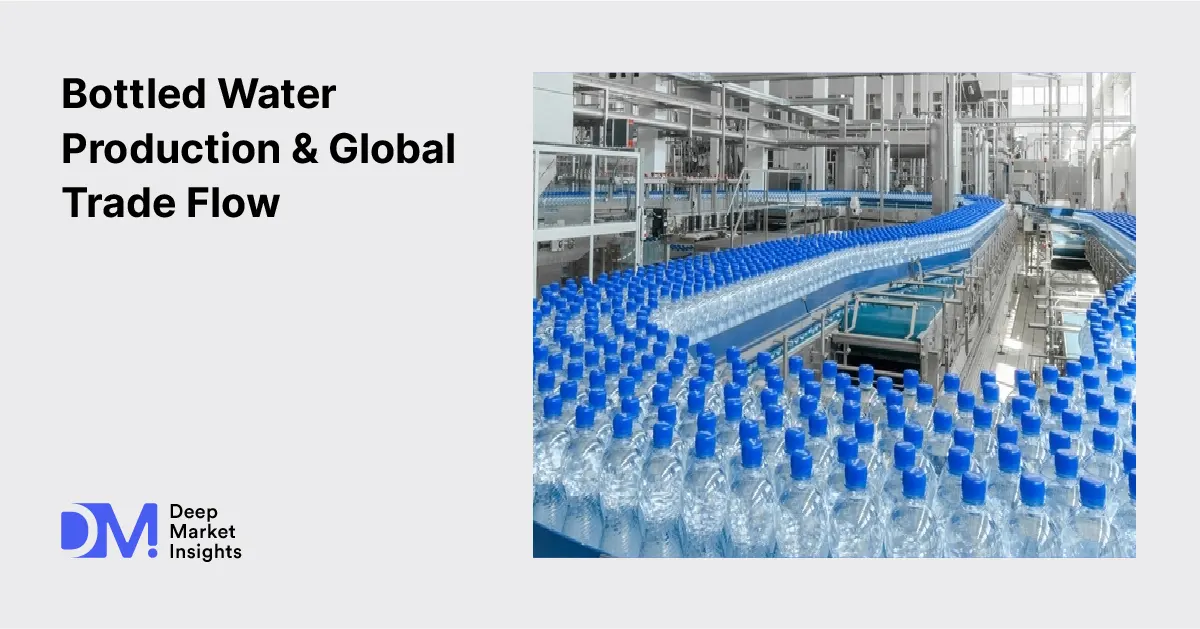
The global Bottled Water industry remains one of the most resilient segments within the beverage sector, supported by rising consumer demand for safe drinking water, convenience, and premium hydration products. Worldwide bottled water consumption exceeds 350 billion liters annually, while total production volumes are estimated at more than 370 billion liters per year, reflecting strong demand across both developed and emerging economies.
Growing urbanization, concerns regarding municipal water quality, and increased health awareness continue to influence purchasing decisions. At the same time, international trade flows have expanded significantly, with bottled water exports and imports valued at several billion dollars annually. Understanding pricing structures, production capabilities, consumption patterns, and global trade dynamics is essential for manufacturers, distributors, and procurement professionals operating within the bottled water supply chain.
Bottled Water Pricing Analysis
Bottled water pricing varies considerably depending on packaging format, brand positioning, transportation costs, and regional demand conditions.
At the production level, bulk bottled water typically trades between USD 0.15 and USD 0.60 per liter. Standard purified water products sold through retail channels generally range from USD 0.30 to USD 1.50 per liter, while premium spring water and mineral water products can command prices of USD 2.00 to USD 5.00 per liter in developed markets.
Single-serve bottled water products frequently sell at a significant premium compared to multi-pack formats. For example:
- 500 ml bottles often retail between USD 0.50 and USD 2.50
- 1.5-liter bottles typically range from USD 0.80 to USD 3.00
- Bulk 5-gallon containers are commonly priced between USD 5 and USD 15 per unit
Packaging accounts for a substantial portion of production costs. PET resin generally contributes 20–35% of total manufacturing expenses, while transportation and logistics represent another 15–30% depending on delivery distance.
Energy costs also affect pricing. Water extraction, treatment, bottling, and warehousing operations can contribute 5–15% of total production expenditure. Rising fuel costs have particularly impacted international shipments due to the relatively low value-to-weight ratio of bottled water products.
Premium imported mineral waters often experience retail markups exceeding 100–300% after accounting for freight, import duties, distributor margins, and retailer markups.
Bottled Water Production Analysis
Global bottled water production has expanded steadily over the past decade, supported by growing consumer preference for packaged hydration products.
Worldwide production exceeds 370 billion liters annually, with several countries serving as major manufacturing hubs.
Key producers include:
- China: approximately 95 billion liters
- United States: around 50 billion liters
- Mexico: nearly 25 billion liters
- Indonesia: approximately 20 billion liters
- Brazil: roughly 18 billion liters
These five countries collectively account for more than 55% of global bottled water production.
Production facilities generally rely on one of three water sources:
- Natural spring water
- Mineral water sources
- Purified municipal water
Large bottling facilities can process between 50 million and 500 million liters annually, while major multinational operations may exceed 1 billion liters per year at a single production site.
Automation has become increasingly important in improving operational efficiency. Modern bottling lines can fill between 20,000 and 80,000 bottles per hour, significantly reducing labor costs while increasing production consistency.
Packaging remains a critical production component. PET bottles account for approximately 70–75% of total bottled water packaging globally, followed by reusable containers, glass bottles, and aluminum formats.
Water quality management also represents a major production priority. Manufacturers invest heavily in filtration, ultraviolet treatment, reverse osmosis systems, and laboratory testing to comply with food safety regulations and maintain brand reputation.
Bottled Water Consumption Analysis
Global bottled water consumption continues to increase as consumers prioritize convenience and perceived product safety.
Annual worldwide consumption exceeds 350 billion liters, translating to an average of approximately 45 liters per person globally. However, consumption rates vary substantially by region.
Some of the highest per-capita bottled water consumption levels include:
- Mexico: more than 250 liters per person annually
- Thailand: approximately 220 liters
- Italy: around 220 liters
- United States: approximately 170 liters
- Saudi Arabia: roughly 140 liters
In contrast, several northern European countries consume less than 50 liters per capita annually, largely due to high confidence in municipal drinking water systems.
Residential consumption accounts for approximately 65–70% of total bottled water demand, while commercial, hospitality, institutional, and corporate sectors represent the remaining share.
Premiumization trends are influencing consumption patterns in developed markets. Functional waters, alkaline waters, electrolyte-enhanced products, and premium mineral waters continue gaining market share among health-conscious consumers.
Emerging economies are witnessing rapid growth in bottled water usage due to urban expansion, rising disposable incomes, and infrastructure challenges related to public drinking water systems.
Seasonal demand fluctuations also affect consumption. During summer months, bottled water sales can increase by 20–40% compared with winter periods in many regions.
Bottled Water Import & Export Analysis
International trade plays an important role in the bottled water industry, particularly for premium mineral waters and specialty products.
Global bottled water exports exceed USD 10 billion annually, with Europe accounting for a significant share of cross-border shipments.
Major exporting countries include:
- France
- Italy
- Germany
- Belgium
- Fiji
France exports bottled water products valued at more than USD 2 billion annually, driven largely by globally recognized mineral water brands. Italy contributes approximately USD 1.5 billion in annual bottled water exports.
On the import side, leading importing markets include:
- United States
- Germany
- China
- United Kingdom
- Canada
The United States imports bottled water worth approximately USD 1.5–2.0 billion annually, including substantial volumes of premium European mineral waters.
Trade flows are influenced by several factors:
- Consumer demand for premium brands
- Availability of natural mineral water sources
- Transportation infrastructure
- Trade regulations
- Packaging standards
Shipping costs significantly impact international competitiveness because bottled water is a heavy, low-margin commodity. Ocean freight costs can contribute 10–25% of landed product value, depending on destination and container utilization rates.
Premium glass-bottled mineral water products tend to sustain export competitiveness more effectively than standard purified water due to higher retail price points and stronger brand differentiation.
Bottled Water Supply Chain Analysis
The bottled water supply chain involves multiple interconnected stages, beginning with water sourcing and ending with retail distribution.
The primary supply chain structure includes:
Water Source → Treatment → Bottling → Packaging → Warehousing → Distribution → Retail
Water extraction represents the first critical step. Producers obtain water from springs, aquifers, municipal systems, or mineral sources before treatment and quality verification.
Packaging suppliers play a strategic role within the industry. PET resin manufacturers, bottle producers, cap suppliers, and label manufacturers directly influence production efficiency and cost structures.
Transportation remains one of the most significant supply chain challenges. Because water is heavy and relatively inexpensive compared to many packaged goods, logistics optimization is essential. Regional production networks often reduce transportation costs and improve delivery responsiveness.
Sustainability considerations are increasingly shaping supply chain decisions. Many producers are investing in:
- Recycled PET (rPET) packaging
- Lightweight bottle designs
- Renewable energy usage
- Local sourcing strategies
- Improved recycling infrastructure
Inventory management is another key consideration. Bottled water producers typically maintain sufficient stock levels to accommodate weather-related demand spikes, emergency situations, and seasonal consumption surges.
Digital supply chain technologies, including real-time tracking systems and predictive demand analytics, are helping manufacturers improve operational efficiency while reducing transportation and storage costs.