Top Companies in Sports & Athletic Socks Market
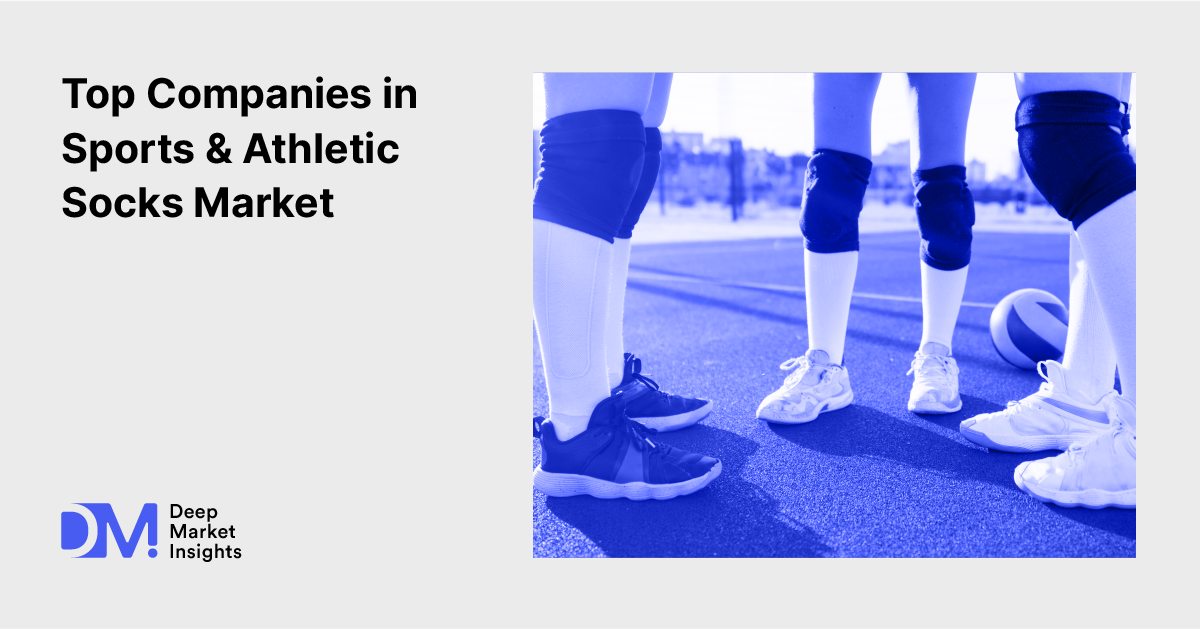
The global sports and athletic socks market is a critical segment within the broader apparel and performance wear industry, driven by rising participation in sports, fitness awareness, and demand for performance-enhancing textiles. Athletic socks are designed to provide comfort, moisture management, durability, and support across activities such as running, training, and team sports. The market has evolved significantly with innovations in materials like polyester blends, merino wool, and compression fabrics. Annual global consumption is estimated at over 12 billion pairs, with premium performance socks accounting for nearly 25-30% of total demand. Pricing ranges widely from $3 to $25 per pair, depending on brand positioning and technical features, making it a diverse and competitive landscape for manufacturers and procurement professionals.
Market Overview with Data
The sports and athletic socks market demonstrates strong production and consumption patterns across key regions. The Asia-Pacific region leads global manufacturing, accounting for approximately 55-60% of total production volume, driven by countries such as China, India, and Vietnam. North America and Europe collectively account for nearly 50% of global consumption, reflecting higher spending on branded and performance-oriented products.
In terms of production, leading manufacturers produce between 50 million and over 500 million pairs annually, depending on scale and vertical integration. Private label and contract manufacturing represent roughly 35% of the total supply, catering to global retail chains and sports brands.
Pricing benchmarks vary significantly:
- Mass-market athletic socks: $3-$8 per pair
- Mid-range branded socks: $8-$15 per pair
- Premium performance/compression socks: $15-$25+ per pair
Material costs account for approximately 40-50% of total production cost, with labor and logistics contributing another 30-35%. Sustainability trends are also influencing procurement, with recycled yarns and organic cotton gaining traction in nearly 10-15% of new product launches.
Top Companies in Sports & Athletic Socks Market
Nike, Inc.

Nike is a dominant player in the athletic apparel segment, with socks forming a key component of its performance wear portfolio. The company generates over $50 billion in annual revenue, with accessories, including socks, contributing a notable share. Nike’s sock offerings include performance training socks, running socks, and basketball-specific designs, often integrated with Dri-FIT technology for moisture management.
The company produces millions of pairs annually through a global network of contract manufacturers, primarily in Asia. Nike positions itself in the premium segment, with average sock prices ranging from $12 to $22 per pair. Its strategy focuses on innovation, athlete endorsements, and direct-to-consumer channels, which account for nearly 40% of its total sales. Strong brand equity and continuous product innovation reinforce its leadership in the market.
Adidas AG

Adidas is another global leader with a strong presence in the sports and athletic socks market. The company reports annual revenues exceeding €20 billion, with accessories contributing steadily to its growth. Adidas offers a wide range of socks, including training, running, and football socks, often featuring ClimaCool and Aeroready technologies.
Adidas produces an estimated 200-300 million pairs annually through outsourced manufacturing. The brand operates across mid to premium price segments, with pricing typically between $10 and $20 per pair. Its strategy emphasizes sustainability, with over 60% of its products incorporating recycled materials. Adidas also leverages partnerships with sports teams and global events to strengthen market visibility and distribution.
Hanesbrands Inc.
Hanesbrands is a key player in the basics and activewear category, with a strong foothold in the athletic socks market through brands like Hanes and Champion. The company generates approximately $6-7 billion in annual revenue, with socks contributing a significant portion of its innerwear segment.
Hanesbrands operates large-scale manufacturing facilities, producing over 500 million pairs of socks annually. It focuses on value and mid-range segments, offering products priced between $4 and $12 per pair. The company’s competitive advantage lies in vertical integration, enabling cost efficiencies and consistent quality. Its strategy includes expanding retail partnerships and strengthening e-commerce channels, which now contribute nearly 25% of its total sales.
Puma SE

Puma has established a strong presence in the athletic accessories segment, including socks, with annual revenues exceeding €8 billion. The company offers a diverse portfolio of sports socks designed for performance, comfort, and style, targeting both athletes and lifestyle consumers.
Puma produces tens of millions of pairs annually through global sourcing networks. Its pricing strategy falls within the mid-range segment, typically $8 to $18 per pair. The brand focuses on design innovation, collaborations, and expanding its footprint in emerging markets. Puma’s distribution network spans over 120 countries, making it a globally accessible brand. Strategic collaborations with athletes and influencers further enhance its market positioning.
Under Armour, Inc.
Under Armour specializes in performance apparel, with athletic socks forming an integral part of its product lineup. The company generates approximately $5-6 billion in annual revenue, with a growing share from accessories and direct-to-consumer sales.
Under Armour’s socks incorporate advanced features such as moisture-wicking fabrics, arch support, and anti-odor technologies. The company produces millions of pairs annually through contract manufacturing. Pricing typically ranges from $12 to $20 per pair, positioning it in the premium performance segment. Its strategy focuses on innovation, digital engagement, and expanding international markets, which contribute nearly 35% of its total revenue.
THORLO, Inc.

THORLO is a niche player specializing in high-performance socks designed for specific activities such as running, hiking, and tennis. The company is recognized for its patented padding technology, which enhances comfort and reduces the risk of injury.
THORLO operates on a smaller scale compared to global giants, producing several million pairs annually. Its products are positioned in the premium segment, with prices ranging from $15 to $25 per pair. The company emphasizes quality, durability, and targeted performance benefits. Its strategy focuses on direct-to-consumer sales and specialty retail channels, catering to serious athletes and enthusiasts.
Balega International
Balega is a premium sock brand recognized for its high-quality running socks. The company produces millions of pairs annually and has a strong presence in specialty running stores across North America and Europe.
Balega’s products are priced between $14 and $22 per pair, reflecting their premium positioning. The company focuses on seamless design, moisture management, and ethical manufacturing practices. Balega also emphasizes sustainability and social responsibility, with initiatives supporting community development. Its targeted approach and strong brand loyalty make it a significant player in the premium segment.
Competitive Landscape Insights
The sports and athletic socks market is moderately fragmented, with leading global brands accounting for approximately 45-50% of total market share, while regional and private-label manufacturers make up the remaining 50-55%.
Pricing segmentation plays a critical role:
- Economy segment: 30% market share
- Mid-range segment: 45% market share
- Premium segment: 25% market share
Supply chains are heavily reliant on Asia-Pacific manufacturing hubs, where cost efficiencies and large-scale production capabilities exist. However, nearshoring trends are emerging, particularly in North America and Europe, to reduce lead times and improve supply chain resilience.
E-commerce has become a key distribution channel, accounting for nearly 20-30% of total sales, with brands investing in direct-to-consumer platforms to improve margins and customer engagement.


