Smart Beverage Machines Manufacturing and Supply Chain Chain Insights
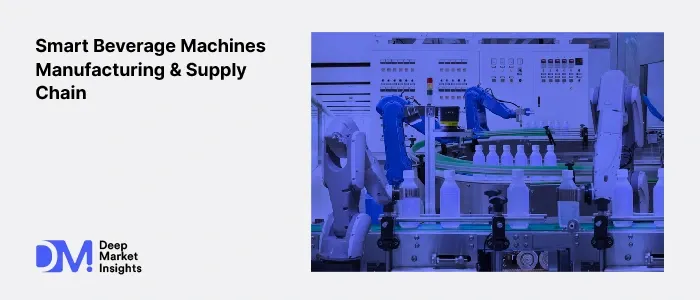
The Smart Beverage Machines Manufacturing & Supply Chain sector has rapidly evolved with growing automation in foodservice and retail environments. Smart coffee machines, automated vending systems, and IoT-enabled beverage dispensers are increasingly central to commercial operations. In 2025, global shipments of smart beverage machines surpassed 4.8 million units, highlighting strong adoption across hospitality and corporate sectors. Moreover, approximately 62% of quick-service restaurant chains now use at least one form of automated beverage system.This analysis explores key trends in pricing, production, consumption, trade, and supply chain dynamics shaping this growing industry.
Pricing Analysis
Pricing in the smart beverage machines segment varies widely depending on automation level, connectivity, and customization:
-
Entry-level machines: $250–$800 per unit for small commercial applications
-
Mid-range machines: $900–$2,500 with IoT capabilities and touchscreen interfaces
-
High-end fully automated systems: $4,000–$12,000 for large chain deployment
-
Industrial-scale production units: $18,000+ per unit
Component costs significantly influence pricing:
-
Smart sensors and IoT modules: 18–25% of total manufacturing cost
-
Stainless steel and food-grade materials: 22–30% of unit cost
-
Microcontrollers and display panels: 12–18%
Bulk procurement reduces costs by 10–22% for orders exceeding 5,000 units. However, rising semiconductor prices have increased production costs by 7–12% over the past two years, directly affecting final pricing.
Production Analysis
Production is concentrated in Asia, Europe, and North America:
-
China: 1.8 million units annually (~38% of global output)
-
Europe: 1.2 million units annually, focused on premium machines
-
North America: 900,000 units annually, serving commercial and institutional markets
Manufacturing efficiency metrics:
-
Capacity utilization: 72–85%, depending on seasonal demand
-
Average assembly time: 35–90 minutes per unit
-
Defect rates: 1.8–3.5% across automated production lines
-
Labor cost share: 14–20% of total production cost
Automation has increased throughput by 28% over the past five years. Modular design strategies have cut production lead times by 15–20%, allowing faster delivery to commercial buyers.
Production Analysis
Production is concentrated in Asia, Europe, and North America:
-
China: 1.8 million units annually (~38% of global output)
-
Europe: 1.2 million units annually, focused on premium machines
-
North America: 900,000 units annually, serving commercial and institutional markets
Manufacturing efficiency metrics:
-
Capacity utilization: 72–85%, depending on seasonal demand
-
Average assembly time: 35–90 minutes per unit
-
Defect rates: 1.8–3.5% across automated production lines
-
Labor cost share: 14–20% of total production cost
Automation has increased throughput by 28% over the past five years. Modular design strategies have cut production lead times by 15–20%, allowing faster delivery to commercial buyers.
Consumption Analysis
Consumption is driven by urbanization, labor cost pressures, and consumer demand for convenience:
-
Commercial use: ~68% of total consumption, including cafes, hotels, and offices
-
Household use: 32%, with increasing adoption of premium coffee systems
-
Average annual consumption in developed markets: 18–25 units per 10,000 people
-
Emerging markets: 6–10 units per 10,000 people
Usage trends:
-
Average daily output per commercial machine: 120–300 beverages
-
Machine lifespan: 5–8 years depending on maintenance
-
Replacement cycle: typically 4–6 years in high-usage environments
Energy-efficient models now represent 41% of total consumption, reflecting both regulatory and environmental pressures.
Import & Export Analysis
Trade plays a vital role in meeting global demand:
-
Global exports: $6.5+ billion annually
-
China: $2.4 billion
-
Europe: $2.1 billion, focused on premium models
-
United States: $850 million, primarily to Latin America and Asia
Imports:
-
United States: $1.6 billion annually, largest importer
-
Europe: $1.3 billion, mainly mid-range and entry-level units
-
Southeast Asia: $720 million, driven by hospitality sector growth
Trade economics:
-
Export markups: 12–28%, depending on product positioning
-
Import duties: 5–18%, impacting final retail prices
-
Logistics costs: 6–10% of total landed cost, occasionally rising 3–5% due to shipping delays
Supply Chain Analysis
The Smart Beverage Machines Manufacturing & Supply Chain is highly integrated but exposed to component-level risks.
Key Supply Chain Stages
-
Raw Material Procurement: Stainless steel, plastics, and electronic components; semiconductor lead times: 8–20 weeks
-
Component Manufacturing: Pumps, grinders, heating elements, and circuit boards produced globally; supplier concentration risk is high, especially for microchips
-
Assembly & Integration: Centralized assembly; just-in-time inventory reduces holding costs by 12–18%
-
Distribution & Logistics: Regional hubs reduce delivery to 5–12 days; e-commerce accounts for 26% of sales volume
-
After-Sales Service: Maintenance contracts contribute 8–14% of lifecycle revenue; spare parts availability impacts downtime
Challenges
-
Semiconductor shortages: delays of 6–10 weeks
-
Freight cost volatility: 15–25%
-
Supplier reliance: 60% of manufacturers depend on fewer than five key suppliers
Optimization Strategies
-
Localized manufacturing reduces logistics costs by 8–12%
-
Vertical integration improves cost control and reduces dependency
-
Digital supply chain monitoring improves forecasting accuracy by 20–30%
The Smart Beverage Machines Manufacturing & Supply Chain sector demonstrates operational complexity driven by technology integration, global trade interdependencies, and evolving consumption patterns. Pricing is influenced by component costs and automation, while production scales through efficiency improvements and regional specialization.Commercial demand dominates, with household adoption growing steadily. Trade flows highlight the strategic importance of Asia and Europe as production hubs, while North America remains a key consumption market.Resilient supply chain strategies automation, supplier diversification, and digital tools will remain critical for maintaining competitiveness in this rapidly evolving market.