Top 10 Emerging Trends in the E-SUV Market (2025)
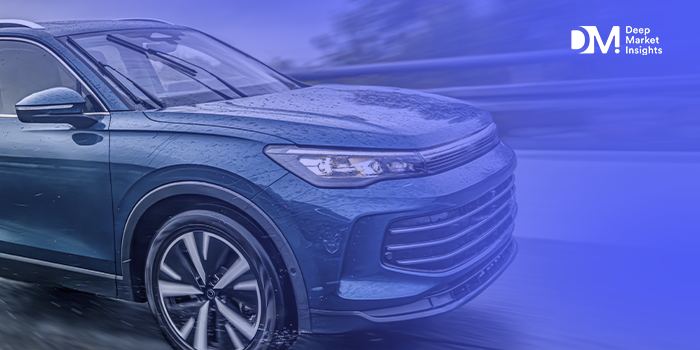
E-SUVs are emerging as the most commercially significant category within the EV sector. Their appeal lies in combining the space, comfort, and road presence of traditional SUVs with the efficiency and regulatory advantages of electric powertrains, making them a priority segment for both manufacturers and policymakers.
Reflecting this momentum, the global e-suv market size is projected to hit $3,813.18 billion by 2030, growing at a CAGR of 30% during the forecast period (2025–2030).
The following trends highlight how the E-SUV segment is evolving across pricing, technology, and geographic demand.
1. Premium and Luxury Models Drive Early Volumes
Higher-priced E-SUVs continue to account for the majority of early adoption, largely because premium pricing helps offset battery and technology costs. Buyers in this segment prioritise longer driving range, refined cabin quality, advanced infotainment systems, and high-performance powertrains. These models also serve as test beds for new technologies, which are later scaled down and introduced into mid-range and mass-market electric SUVs.
2. Improved Driving Range Enhances Practical Use
Progress in battery chemistry, vehicle energy management, and lightweight construction is steadily improving real-world driving range. This has reduced range anxiety and expanded the use case for E-SUVs beyond short urban trips. Longer range capability now supports intercity travel, weekend usage, and family mobility without frequent charging interruptions.
3. Fast-Charging Access Supports Daily and Long-Distance Use
The expansion of fast and ultra-fast charging networks is improving charging convenience and reducing overall charging time. Public charging availability along highways and in urban centres is enabling electric SUVs to meet the flexibility expectations traditionally associated with conventional SUVs. Improved route planning tools and charging reliability are further strengthening consumer confidence.
4. Advanced Safety and Driver Assistance Become Expected Features
Electric SUVs are increasingly launched with a comprehensive suite of driver-assistance technologies as standard equipment. Features such as automatic emergency braking, adaptive cruise control, blind-spot monitoring, and lane-centering systems are now viewed as essential rather than optional. This reflects rising consumer expectations for safety and aligns E-SUVs with regulatory and insurance-driven safety benchmarks.
5. Dedicated EV Platforms Reshape Vehicle Design
The adoption of purpose-built electric vehicle platforms is allowing manufacturers to rethink SUV design from the ground up. Flat battery layouts improve cabin space and interior flexibility, while optimised weight distribution enhances handling and ride quality. Platform standardisation also supports faster product development and cost efficiencies across multiple E-SUV models.
6. Sustainability Focus Extends Beyond Zero Emissions
Sustainability strategies in the E-SUV market now extend beyond tailpipe emissions to encompass materials, manufacturing, and supply chains. Automakers are increasingly using recycled plastics, sustainably sourced metals, and low-emission interior materials. These measures reinforce environmental positioning and respond to growing regulatory and consumer scrutiny.
7. Emerging Markets Contribute to Incremental Growth
Although developed markets lead electric SUV adoption, emerging economies are contributing steady incremental growth. Supportive government policies, expanding charging infrastructure, and rising fuel prices are encouraging interest in electric mobility. Urbanisation and increasing SUV preference further support demand in these regions.
8. Competitive Pressure Drives Pricing and Feature Expansion
The entry of new EV-focused manufacturers and intensified model launches from established automakers are increasing competition across the E-SUV segment. This competitive environment is driving sharper pricing strategies, higher standard specifications, and improved range offerings, particularly in mid-priced models.
9. Software and Connectivity Define Long-Term Value
Software has become a central element of the electric SUV value proposition. Over-the-air updates enable continuous improvement in vehicle performance, safety, and infotainment without physical upgrades. Connected services, data-driven diagnostics, and digital features are increasingly shaping ownership experience and long-term vehicle value.
10. Policy Support and Regulatory Alignment Accelerate Adoption
Government policies continue to play a decisive role in shaping the E-SUV market. Emissions regulations, zero-emission vehicle mandates, purchase incentives, and investment in charging infrastructure are accelerating manufacturer commitments and consumer adoption. In many markets, regulatory pressure is actively pushing automakers to prioritise electric SUVs as compliance-ready, high-volume models.
Wrapping Up
As the market matures, E-SUVs are positioned to lead its next phase of growth. Their ability to combine practicality, technology, and sustainability makes them a defining category in the transition to electric transport.