High Protein Ice Cream Market Size
According to Deep Market Insights, the global high protein ice cream market size was valued at USD 2.61 billion in 2025 and is projected to grow from USD 2.80 billion in 2026 to reach USD 3.98 billion by 2031, expanding at a CAGR of 7.3% during the forecast period (2026–2031). The high protein ice cream market growth is primarily driven by increasing consumer preference for healthier indulgence products, rising awareness regarding protein-rich diets, and expanding demand for low-calorie frozen desserts among fitness-conscious consumers.
Key Market Insights
- High protein ice cream is increasingly transitioning from niche sports nutrition to mainstream functional dessert consumption, supported by broader health and wellness trends.
- Plant-based and dairy-free high protein ice cream products are witnessing strong growth, driven by veganism, lactose intolerance awareness, and sustainability preferences.
- North America dominates the global market, led by high consumer awareness regarding low-calorie and protein-enriched foods in the United States and Canada.
- Asia-Pacific is emerging as the fastest-growing region, fueled by urbanization, rising disposable incomes, and growing fitness culture in China, India, Japan, and South Korea.
- Online retail and direct-to-consumer frozen delivery channels are expanding rapidly, enabling premium brands to improve consumer accessibility and subscription-based sales.
- Technological innovation in protein stabilization, sugar replacement, and texture enhancement is significantly improving product quality and consumer acceptance globally.
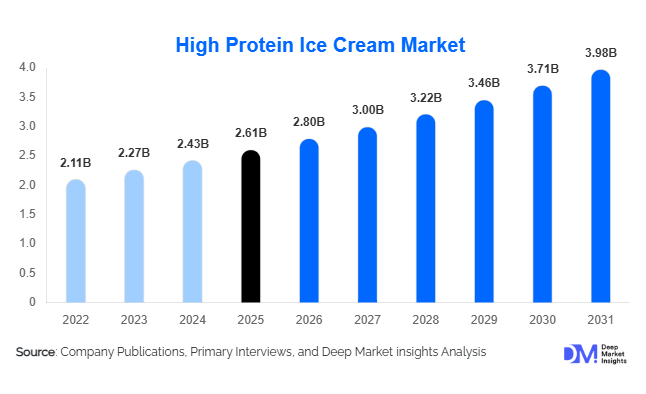
What are the latest trends in the high protein ice cream market?
Plant-Based High Protein Ice Cream Expansion
One of the most significant trends shaping the high protein ice cream market is the rapid expansion of plant-based formulations. Consumers are increasingly seeking dairy-free alternatives that align with vegan lifestyles, digestive health concerns, and environmental sustainability goals. Manufacturers are introducing products made using pea protein, oat protein, almond protein, and soy protein while simultaneously improving creaminess and taste profiles to compete directly with dairy-based alternatives. This trend is particularly strong in North America and Europe, where plant-based frozen desserts are increasingly integrated into mainstream retail shelves. Companies are also focusing on clean-label formulations with natural sweeteners and reduced additives to appeal to health-conscious consumers seeking minimally processed products.
Functional and Personalized Nutrition Positioning
High protein ice cream is increasingly being positioned as a functional nutrition product rather than simply a dessert. Brands are incorporating benefits such as muscle recovery, satiety management, digestive wellness, and keto-friendly nutrition into marketing strategies. Personalized nutrition trends are encouraging manufacturers to launch targeted formulations for athletes, weight management consumers, diabetic individuals, and active lifestyle demographics. Integration with fitness ecosystems, including gym partnerships, sports nutrition branding, and influencer marketing, is accelerating consumer engagement. Smart packaging, calorie-controlled portions, and subscription-based frozen nutrition services are also becoming increasingly popular among younger consumers seeking convenience-oriented healthy snacks.
What are the key drivers in the high protein ice cream market?
Growing Health and Wellness Awareness
The increasing global focus on healthier eating habits is one of the primary drivers supporting high protein ice cream market growth. Consumers are actively reducing sugar consumption while increasing protein intake to support weight management, muscle recovery, and overall wellness goals. High protein ice cream products address these preferences by combining indulgence with nutritional functionality. The rising popularity of low-carb diets, high-protein meal plans, and fitness-oriented lifestyles has accelerated adoption across both developed and emerging markets. Millennials and Gen Z consumers are particularly driving demand for healthier dessert alternatives that align with active lifestyle trends.
Expansion of Functional Food and Sports Nutrition Industries
The rapid expansion of the global functional food and sports nutrition sectors is creating strong downstream demand for protein-enriched frozen desserts. Protein consumption is no longer limited to athletes and bodybuilders, as mainstream consumers increasingly incorporate protein-rich foods into everyday diets. High protein ice cream has emerged as an accessible and enjoyable format for protein supplementation. Fitness centers, wellness cafés, and health-oriented retail chains are increasingly stocking these products to meet rising consumer demand. Additionally, growing awareness regarding obesity management and diabetes prevention is encouraging consumers to replace traditional ice cream with lower-calorie, higher-protein alternatives.
What are the restraints for the global market?
Premium Product Pricing
High protein ice cream products remain significantly more expensive than conventional ice cream due to the use of premium protein ingredients, advanced stabilization technologies, sugar substitutes, and cold-chain logistics requirements. This pricing gap limits adoption among price-sensitive consumers, particularly in developing markets where conventional frozen desserts remain substantially cheaper. Manufacturers face ongoing pressure to balance premium nutritional positioning with affordability while maintaining acceptable taste and texture quality.
Raw Material Price Volatility
The market is heavily influenced by fluctuations in the prices of dairy proteins, plant protein isolates, cocoa, natural sweeteners, and specialty stabilizers. Whey protein and milk protein concentrates remain particularly vulnerable to global commodity price shifts and supply chain disruptions. Rising energy costs and transportation expenses further impact frozen product profitability. Manufacturers are increasingly focusing on long-term sourcing agreements and diversified supplier networks to reduce operational risks associated with ingredient price volatility.
What are the key opportunities in the high protein ice cream industry?
Expansion in Emerging Economies
Emerging economies across Asia-Pacific, Latin America, and the Middle East represent substantial growth opportunities for high protein ice cream manufacturers. Rising urbanization, increasing disposable incomes, and growing awareness regarding fitness and nutrition are driving demand for premium functional foods in countries such as China, India, Brazil, and the UAE. Modern retail infrastructure and online grocery delivery platforms are also improving accessibility for frozen nutrition products. Localized flavors and region-specific marketing strategies are expected to play a crucial role in expanding consumer adoption across these markets.
Direct-to-Consumer and Subscription-Based Frozen Delivery Models
The rapid growth of e-commerce and cold-chain logistics infrastructure is creating strong opportunities for direct-to-consumer high protein ice cream brands. Subscription-based frozen dessert services, personalized nutrition packages, and digital-first premium brands are gaining popularity among urban consumers. Online grocery platforms allow niche brands to reach broader audiences without heavy dependence on traditional retail channels. This model also enables companies to gather valuable consumer data, improve customer retention, and launch personalized product recommendations aligned with dietary preferences and fitness goals.
Report Scope
| Report Metric | Details |
|---|---|
| Market Size in 2025 | USD 2.61 Billion |
| Market Size in 2026 | USD 2.80 Billion |
| Market Size in 2031 | USD 3.98 Billion |
| CAGR | 7.3% (2026-2031) |
| Base Year for Estimation | 2025 |
| Historical Data | 2022-2024 |
| Forecast Period | 2026-2031 |
| Report Coverage | Revenue Forecast, Competitive Landscape, Supply Chain Disruption, Growth Factors, Environment & Regulatory Landscape and Trends |
| Geographies Covered | North America, Europe, APAC, Middle East and Africa, LATAM |
| Countries Covered | U.S., Canada, U.K., Germany, France, Spain, Italy, Russia, Nordic, Benelux, Rest of Europe, China, Korea, Japan, India, Australia, Singapore, Taiwan, South East Asia, Rest of Asia-Pacific, UAE, Turky, Saudi Arabia, South Africa, Egypt, Nigeria, Rest of MEA, Brazil, Mexico, Argentina, Chile, Colombia, Rest of LATAM |
Explore more data points, trends and opportunities Download Free Sample Report
Product Type Insights
The global high protein ice cream market is witnessing substantial diversification across product categories as manufacturers increasingly focus on balancing indulgence, nutrition, and functional health benefits. Dairy-based high protein ice cream continues to dominate the global market, accounting for nearly 61% of overall demand in 2025. The strong market leadership of dairy-based variants is primarily supported by long-standing consumer familiarity, superior creaminess and texture, broader flavor compatibility, and the widespread availability of dairy protein ingredients such as whey protein concentrate, milk protein isolate, and casein. Consumers continue to perceive dairy-based formulations as more authentic and indulgent compared to alternative protein desserts, which significantly contributes to repeat purchases and strong retail performance. In addition, the well-established association between whey protein and sports nutrition continues to strengthen demand among fitness-focused consumers seeking convenient post-workout recovery products. Major frozen dessert brands are heavily investing in premium dairy-based formulations with improved taste profiles, lower sugar content, and cleaner ingredient labels to strengthen consumer loyalty and enhance product differentiation.Functional fortified high protein ice cream variants containing probiotics, prebiotic fiber, vitamins, collagen peptides, and immunity-support ingredients are increasingly emerging as premium offerings targeting wellness-oriented consumers. Functional frozen desserts are evolving beyond simple protein enrichment and are increasingly positioned as multifunctional health products that support digestive health, immunity, muscle recovery, and overall wellness. As consumers continue to seek foods that provide both enjoyment and nutritional value, manufacturers are expected to expand innovation in multifunctional protein dessert categories over the coming years.
Protein Content Insights
The 10–15 grams protein per serving category represents the largest segment within the global high protein ice cream market, accounting for approximately 42% of global revenue in 2025. The dominance of this segment is primarily driven by its ability to achieve an optimal balance between nutritional enhancement, taste, texture, and mainstream consumer accessibility. Products within this protein range appeal not only to fitness-focused individuals but also to broader health-conscious consumers seeking healthier dessert alternatives that do not sacrifice indulgence. Manufacturers increasingly prefer this protein threshold because it allows for effective nutritional marketing while maintaining favorable sensory characteristics such as creaminess and flavor intensity. The segment also benefits from strong retail acceptance, as supermarkets and mass-market grocery chains prioritize products with broader consumer appeal and higher repeat purchase potential.Products containing more than 20 grams of protein per serving continue to occupy a relatively niche but expanding premium category within the market. These products are increasingly positioned closer to sports nutrition supplements than traditional frozen desserts and are primarily targeted toward highly active consumers, professional athletes, and bodybuilders. Premium pricing, advanced ingredient formulations, and specialized nutritional positioning characterize this segment. Manufacturers operating in this category often emphasize attributes such as low net carbohydrates, keto compatibility, recovery support, and muscle maintenance benefits. Although the consumer base remains comparatively smaller, rising interest in performance nutrition and functional convenience foods is expected to gradually support expansion within this ultra-high-protein category.
Flavor Insights
Chocolate remains the leading flavor segment in the global high protein ice cream market, accounting for nearly 29% of total market demand in 2025. The continued dominance of chocolate flavor is supported by its universal consumer appeal, strong indulgence perception, and exceptional compatibility with protein-based formulations. Chocolate naturally masks protein aftertastes more effectively than lighter flavors, enabling manufacturers to achieve improved taste profiles even at higher protein concentrations. Furthermore, chocolate-based products benefit from strong consumer familiarity and broad demographic acceptance across both mainstream and fitness-focused audiences. Premium chocolate variants featuring dark chocolate, brownie inclusions, cocoa swirls, and fudge textures are gaining particular popularity among consumers seeking indulgent experiences combined with nutritional benefits.Cookies & cream, peanut butter, salted caramel, mocha, and cookie dough flavors are experiencing rapid growth, particularly among younger consumers seeking indulgent sensory experiences alongside nutritional functionality. These flavors help manufacturers differentiate products in an increasingly competitive marketplace while improving consumer engagement and emotional connection with health-oriented frozen desserts. The growing influence of social media food culture and digital marketing campaigns is also supporting experimentation with innovative and visually appealing flavor combinations.Seasonal flavors and limited-edition product launches are becoming increasingly important strategic tools for maintaining consumer interest and encouraging repeat purchases. Brands are introducing holiday-themed, region-specific, and collaboration-based flavors to generate excitement and strengthen brand visibility. Limited-time offerings also allow manufacturers to test new flavor concepts and gather consumer feedback before broader commercialization. Continuous flavor innovation is expected to remain a critical competitive factor as companies seek to strengthen differentiation within the rapidly expanding high protein dessert market.
Distribution Channel Insights
Supermarkets and hypermarkets continue to dominate distribution within the global high protein ice cream market, accounting for nearly 46% of total sales in 2025. The leadership of this distribution segment is primarily driven by extensive frozen food infrastructure, high consumer footfall, strong product visibility, and the growing allocation of shelf space toward health-oriented frozen desserts. Large retail chains are increasingly expanding premium wellness and functional food sections in response to rising consumer demand for healthier snacking alternatives. The ability of supermarkets to offer promotional pricing, product variety, and convenient one-stop shopping experiences continues to strengthen consumer purchasing frequency across this category.Online retail and direct-to-consumer distribution channels are emerging as the fastest-growing sales segments globally. Improvements in frozen delivery logistics, temperature-controlled packaging solutions, and rapid grocery fulfillment networks are significantly enhancing the viability of online frozen dessert sales. Digital grocery platforms, mobile ordering applications, and subscription-based purchasing models are reshaping consumer purchasing behavior, particularly among urban consumers seeking convenience and personalized nutrition products. E-commerce channels also provide smaller and emerging brands with broader market access and direct consumer engagement opportunities without extensive physical retail investments.The increasing integration of social commerce, influencer marketing, and personalized nutrition recommendations within digital retail ecosystems is expected to further accelerate online sales growth over the forecast period. As consumers continue prioritizing convenience, speed, and accessibility, omnichannel retail strategies will remain increasingly important for market competitiveness.
Consumer Group Insights
Fitness enthusiasts and active lifestyle consumers remain the largest consumer group within the global high protein ice cream market. The growth of this segment is strongly supported by increasing gym memberships, rising sports participation rates, and growing awareness regarding protein consumption for muscle recovery and performance optimization. Consumers involved in regular physical activity increasingly seek convenient snack alternatives that combine nutritional functionality with indulgent taste experiences. High protein ice cream products are benefiting from their positioning as guilt-free recovery snacks that align with broader wellness and fitness goals.Vegan consumers represent one of the fastest-growing target demographics within the market due to increasing adoption of dairy-free diets and growing interest in plant-based functional foods. Younger consumers are increasingly prioritizing ethical consumption, sustainability, and environmental responsibility when making food purchasing decisions, thereby accelerating demand for plant-based protein desserts. Manufacturers are responding by expanding vegan product portfolios with improved texture, flavor complexity, and nutritional performance.General health-conscious consumers are increasingly incorporating high protein ice cream into everyday consumption habits rather than viewing these products solely as specialized fitness nutrition items. The growing mainstream acceptance of functional foods and protein-enriched snacks is significantly broadening market penetration across wider demographic groups. As protein consumption becomes increasingly associated with overall wellness rather than only athletic performance, demand from mainstream consumers is expected to continue expanding globally.
End-Use Insights
Household consumption dominates the global high protein ice cream market, accounting for approximately 72% of total demand in 2025. Consumers are increasingly integrating protein-enriched frozen desserts into regular at-home snacking routines as healthier alternatives to traditional ice cream products. The growing popularity of home-based wellness lifestyles, coupled with rising demand for convenient indulgent snacks, continues to support strong household purchasing volumes. Increased product availability across supermarkets, convenience stores, and online grocery platforms is further strengthening residential consumption trends.Fitness centers, wellness cafés, smoothie bars, and sports nutrition outlets represent the fastest-growing end-use segment within the market. The increasing alignment between fitness culture and functional food consumption is encouraging partnerships between frozen dessert brands and gym chains to promote post-workout recovery products. Protein ice cream is increasingly positioned alongside protein shakes, bars, and supplements within performance nutrition environments, thereby strengthening consumer perception of these products as legitimate functional recovery solutions.The HoReCa sector is also witnessing increasing adoption of high protein ice cream products as restaurants, cafés, and premium dessert chains expand healthier menu offerings to attract wellness-focused consumers. Foodservice operators are increasingly incorporating low-calorie and protein-enriched desserts into menus to respond to changing consumer preferences and rising health awareness. Premium hospitality establishments are also utilizing functional desserts as a differentiation strategy within competitive urban markets.
Explore more data points, trends and opportunities Download Free Sample Report
High Protein Ice Cream Market Segmentations
By Product Type
- Dairy-Based High Protein Ice Cream
- Plant-Based High Protein Ice Cream
- Low-Calorie High Protein Ice Cream
- Keto-Friendly High Protein Ice Cream
- Low-Sugar / Sugar-Free High Protein Ice Cream
- Functional & Fortified High Protein Ice Cream
By Protein Content
- 5–10 g Protein per Serving
- 10–15 g Protein per Serving
- 15–20 g Protein per Serving
- Above 20 g Protein per Serving
By Flavor
- Chocolate
- Vanilla
- Strawberry
- Cookies & Cream
- Peanut Butter
- Salted Caramel
- Coffee / Mocha
- Fruit-Based Flavors
By Packaging Format
- Pints
- Cups & Tubs
- Bars & Sticks
- Sandwiches
- Family Packs
- Single-Serve Packs
By Distribution Channel
- Supermarkets & Hypermarkets
- Convenience Stores
- Specialty Health Stores
- Online Retail
- Direct-to-Consumer (DTC)
- Foodservice & HoReCa
Regional Insights
North America
North America dominates the global high protein ice cream market with approximately 39% market share in 2025, led primarily by the United States. The region’s strong market position is supported by exceptionally high consumer awareness regarding protein-rich diets, widespread penetration of functional foods, and advanced frozen food retail infrastructure. The United States continues to represent the largest revenue contributor due to its highly developed sports nutrition ecosystem, strong health and wellness culture, and growing demand for low-calorie indulgent snacks.The growing popularity of ketogenic diets, low-carbohydrate nutrition plans, and calorie-conscious lifestyles is significantly increasing demand for protein-enriched frozen desserts across North America. The region also benefits from advanced cold-chain logistics infrastructure and strong e-commerce grocery penetration, which support rapid distribution of premium frozen products. Canada is witnessing increasing demand for clean-label, low-sugar, and plant-based high protein ice cream products, particularly among urban consumers prioritizing healthier and sustainable food choices. Increasing investments in dairy alternatives and premium wellness-oriented frozen snacks are expected to further strengthen regional market expansion.
Europe
Europe accounts for nearly 28% of the global high protein ice cream market, with Germany, the United Kingdom, and France emerging as key revenue-generating countries. Regional market growth is primarily driven by increasing health consciousness, rising sugar reduction initiatives, and strong consumer interest in functional and fortified foods. European consumers are increasingly seeking healthier dessert alternatives that align with broader wellness trends while maintaining indulgent taste experiences. Government-led public health campaigns promoting reduced sugar intake are also accelerating demand for low-calorie and high-protein frozen dessertsThe rapid growth of veganism and flexitarian dietary habits across Europe is also creating substantial opportunities for plant-based high protein ice cream manufacturers. Sustainability awareness, environmental concerns, and ethical food consumption trends continue to support demand for dairy-free protein desserts across the region. Additionally, Europe benefits from strong regulatory standards for food quality and labeling transparency, which enhance consumer confidence in functional nutrition products.
Asia-Pacific
Asia-Pacific is the fastest-growing regional market for high protein ice cream, supported by rapid urbanization, rising disposable incomes, expanding middle-class populations, and increasing western dietary influence. Consumers across major Asia-Pacific economies are increasingly adopting fitness-oriented lifestyles and premium food consumption patterns, creating strong demand for functional frozen desserts. China and Japan lead regional demand due to rising health awareness, expanding premium food sectors, and growing interest in protein-rich diets among urban populations.South Korea and Australia are also witnessing robust market expansion driven by strong digital wellness trends, social media influence, and rising demand for convenient healthy snacks among younger demographics. Improvements in cold-chain logistics, increasing premium food imports, and the rapid growth of online grocery delivery platforms are further strengthening regional market development.
Latin America
Latin America represents a smaller but steadily expanding high protein ice cream market led primarily by Brazil and Mexico. Rising urbanization, growing health awareness, and increasing exposure to western wellness trends are gradually supporting consumer adoption of functional frozen desserts across the region. Brazil continues to dominate regional demand due to its large consumer base, expanding fitness industry, and increasing availability of premium health-oriented food products. Mexico is also witnessing rising demand for low-sugar and protein-enriched snacks as consumers become increasingly conscious of obesity and lifestyle-related health concerns.The expansion of modern retail infrastructure, increasing penetration of international frozen dessert brands, and growth of online grocery channels are helping improve product accessibility across major urban markets. However, price sensitivity remains a key challenge limiting widespread mass-market adoption. Manufacturers are increasingly introducing smaller pack sizes and promotional pricing strategies to improve affordability and consumer trial rates. Partnerships between international premium brands and regional retail chains are expected to further support market penetration across Latin America over the forecast period.
Middle East & Africa
The Middle East & Africa high protein ice cream market is gradually gaining momentum, particularly across the Gulf Cooperation Council countries including the UAE and Saudi Arabia. Rising disposable incomes, expanding premium food consumption, and increasing western dietary influence are driving demand for healthier indulgent dessert alternatives across the region. Consumers are increasingly seeking premium frozen products that combine taste, convenience, and nutritional value, creating favorable opportunities for protein-enriched ice cream brands.The region is also benefiting from rising investments in cold-chain logistics, expanding supermarket networks, and increasing imports of premium frozen nutrition products. Growing tourism activity and the expansion of modern foodservice establishments are further contributing to regional market growth. Although the market remains relatively nascent compared to developed economies, increasing health awareness and premiumization trends are expected to create substantial long-term growth opportunities across the Middle East & Africa.
Key Players in the High Protein Ice Cream Market
- Halo Top
- Yasso
- Enlightened
- Arctic Zero
- Nick's
- Breyers
- Rebel Creamery
- So Delicious
- Oppo Brothers
- Wheyhey
- Ice 'N' Lean
- My/Mochi
- Skinny Cow
- No Cow
- FitLato