Biotene Oral Rinse Market Size
According to Deep Market Insights,the global biotene oral rinse market size was valued at USD 223 million in 2025 and is projected to grow from USD 244.85 million in 2026 to reach USD 390.77 million by 2031, expanding at a CAGR of 9.8% during the forecast period (2026–2031). The market growth is primarily driven by the increasing prevalence of xerostomia (dry mouth), rising geriatric population, and growing awareness of therapeutic oral healthcare products. Biotene oral rinse products are widely used to relieve dry mouth symptoms caused by medications, cancer treatments, aging, and chronic diseases.
The expansion of pharmacy retail chains and the increasing availability of therapeutic mouthwash products through online pharmacies are also contributing to the growth of the biotene oral rinse market. Furthermore, increasing consumer preference for alcohol-free oral care products with enzyme-based moisturizing formulations is accelerating demand. The rising number of oncology patients experiencing treatment-induced xerostomia is another key factor supporting market expansion, as healthcare providers increasingly recommend specialized oral rinses for supportive care.
Key Market Insights
- Rising prevalence of dry mouth conditions caused by medications, aging, and chronic illnesses is significantly driving demand for therapeutic oral rinse products.
- Alcohol-free mouthwash formulations are gaining strong consumer preference due to their ability to provide hydration without causing irritation to sensitive oral tissues.
- North America dominates the global market, supported by strong pharmacy distribution networks and high consumer awareness of oral health.
- Asia-Pacific is the fastest-growing regional market, driven by increasing dental awareness and expanding healthcare infrastructure.
- E-commerce and online pharmacy platforms are emerging as key sales channels, allowing consumers to easily access specialized oral healthcare products.
- Increasing adoption among oncology patients and elderly populations is expanding the application scope of biotene oral rinse products globally.
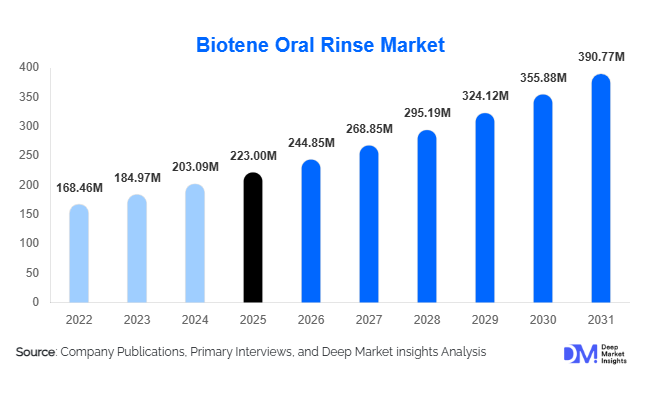
What are the latest trends in the biotene oral rinse market?
Shift Toward Alcohol-Free and Enzyme-Based Oral Rinse Formulations
Consumers are increasingly preferring alcohol-free oral rinse formulations due to concerns about irritation and dryness associated with traditional alcohol-based mouthwash products. Biotene oral rinses are formulated with moisturizing enzymes that help mimic natural saliva, providing relief from dry mouth symptoms. This trend is particularly prominent among elderly consumers and patients undergoing medical treatments such as chemotherapy or radiation therapy.
Manufacturers are also investing in research and development to improve the effectiveness of saliva substitute technologies. Innovations such as long-lasting hydration formulas, advanced enzyme combinations, and fluoride-enhanced protective solutions are helping companies differentiate their products. The shift toward gentle formulations suitable for daily use is expected to remain one of the most influential trends shaping the biotene oral rinse market.
Expansion of Online Pharmacy and Direct-to-Consumer Distribution
The rapid expansion of online healthcare platforms has transformed how consumers purchase oral healthcare products. E-commerce platforms, online pharmacies, and direct-to-consumer websites now represent an important distribution channel for therapeutic mouthwash products. Consumers increasingly prefer online purchasing due to convenience, competitive pricing, and access to detailed product information.
Digital health platforms and tele-dentistry services are also influencing consumer purchasing decisions. Dentists and healthcare providers increasingly recommend oral care products through online consultations, which often lead patients to purchase products through digital channels. Subscription-based purchasing models for oral hygiene products are also emerging, encouraging repeat purchases and long-term consumer loyalty.
What are the key drivers in the biotene oral rinse market?
Increasing Incidence of Xerostomia Worldwide
The rising prevalence of xerostomia is one of the most important factors driving demand for biotene oral rinse products. Dry mouth affects millions of people globally and is commonly associated with medication use, autoimmune diseases, and cancer treatments. More than 500 medications are known to cause dry mouth as a side effect, including antidepressants, antihistamines, and blood pressure medications.
Individuals suffering from xerostomia often experience discomfort, difficulty swallowing, and increased risk of dental problems. Biotene oral rinse products provide moisture and help maintain oral health by protecting tissues and reducing bacterial growth. As awareness of xerostomia management increases, demand for specialized oral rinse products continues to grow.
Growing Geriatric Population and Chronic Disease Prevalence
The global aging population is another key driver supporting market expansion. Elderly individuals are more likely to experience dry mouth due to age-related decline in salivary gland function and the increased use of medications for chronic diseases. As the global population aged 60 years and above continues to grow, demand for oral healthcare products designed for older adults is expected to rise significantly.
Healthcare providers increasingly recommend moisturizing oral rinse products as part of daily oral hygiene routines for elderly patients. The expansion of long-term care facilities and home healthcare services is also contributing to the adoption of biotene oral rinse products among aging populations.
What are the restraints for the global market?
Availability of Alternative Oral Care Products
Although biotene oral rinse products are widely recognized for dry mouth relief, the market faces competition from alternative oral care products such as herbal mouthwashes, generic saliva substitutes, and traditional mouthwash brands. Many consumers continue to use conventional mouthwash products due to lower prices and wider availability, particularly in developing markets.
This price competition can limit the adoption of specialized therapeutic oral rinse products in price-sensitive regions. Manufacturers must therefore focus on educating consumers and healthcare professionals about the benefits of dedicated dry-mouth solutions.
Limited Awareness in Emerging Economies
In many developing regions, awareness of xerostomia and its treatment remains relatively low. Patients experiencing dry mouth often rely on home remedies or conventional oral hygiene products rather than specialized oral rinse solutions. Limited access to dental care services in some emerging markets also contributes to lower product awareness.
To address this challenge, companies are increasingly investing in educational campaigns and partnerships with dental professionals to promote awareness of therapeutic oral healthcare solutions.
What are the key opportunities in the biotene oral rinse industry?
Expansion in Geriatric Healthcare Markets
The expanding global elderly population presents significant opportunities for the biotene oral rinse market. Older adults frequently experience dry mouth due to medication use and natural physiological changes. As healthcare systems increasingly focus on improving quality of life for elderly patients, demand for specialized oral hydration products is expected to increase.
Manufacturers can capitalize on this opportunity by partnering with long-term care facilities, nursing homes, and geriatric healthcare providers. Targeted product formulations designed specifically for elderly consumers could further strengthen market growth.
Rising Demand from Oncology Supportive Care
Patients undergoing cancer treatment often experience severe dry mouth as a result of radiation therapy and chemotherapy. Biotene oral rinse products are commonly recommended by dentists and oncologists to alleviate discomfort and maintain oral hygiene during treatment.
As the global incidence of cancer continues to increase and healthcare infrastructure expands, demand for supportive oral care products is expected to grow significantly. Companies that collaborate with hospitals and oncology centers may benefit from long-term growth opportunities in this segment.
Report Scope
| Report Metric | Details |
|---|---|
| Market Size in 2025 | USD 223 Million |
| Market Size in 2026 | USD 244.85 Million |
| Market Size in 2031 | USD 390.77 Million |
| CAGR | 9.8% (2026-2031) |
| Base Year for Estimation | 2025 |
| Historical Data | 2022-2024 |
| Forecast Period | 2026-2031 |
| Report Coverage | Revenue Forecast, Competitive Landscape, Supply Chain Disruption, Growth Factors, Environment & Regulatory Landscape and Trends |
| Geographies Covered | North America, Europe, APAC, Middle East and Africa, LATAM |
| Countries Covered | U.S., Canada, U.K., Germany, France, Spain, Italy, Russia, Nordic, Benelux, Rest of Europe, China, Korea, Japan, India, Australia, Singapore, Taiwan, South East Asia, Rest of Asia-Pacific, UAE, Turky, Saudi Arabia, South Africa, Egypt, Nigeria, Rest of MEA, Brazil, Mexico, Argentina, Chile, Colombia, Rest of LATAM |
Explore more data points, trends and opportunities Download Free Sample Report
Product Type Insights
Fresh mint formulations represent the leading product type within the biotene oral rinse market, accounting for approximately 38% of global demand. The strong dominance of mint variants is primarily driven by consumer preference for products that combine therapeutic dry-mouth relief with a refreshing taste experience. Mint-flavored oral rinses deliver a cooling sensation that enhances the perception of cleanliness and freshness, making them highly suitable for routine daily oral hygiene practices. In addition, mint-based products align with consumer familiarity with traditional mouthwash formulations, further strengthening their adoption across both therapeutic and preventive oral care routines.
Within this segment, gentle mint and alcohol-free variants have gained considerable popularity among individuals suffering from chronic dry mouth conditions or sensitive oral tissues. Alcohol-free formulations are particularly important for xerostomia patients because alcohol can exacerbate oral dryness and irritation. Manufacturers are therefore focusing on developing mild, moisturizing formulations that provide sustained oral hydration without causing discomfort. This shift toward gentler therapeutic products is further supported by recommendations from dental professionals who increasingly encourage patients with dry mouth to use specialized oral rinses rather than conventional antiseptic mouthwashes.
Fluoride-enriched biotene oral rinse products are emerging as an important product segment as they offer dual benefits of oral hydration and cavity prevention. These formulations help strengthen tooth enamel and protect against dental caries, which are common complications among patients experiencing chronic dry mouth. As dental professionals increasingly emphasize preventive oral care, fluoride-containing oral rinse solutions are expected to witness growing adoption across both clinical and household settings.
Natural and herbal-based oral rinse variants are also gaining traction among health-conscious consumers who prefer products formulated with fewer synthetic ingredients. Increasing demand for clean-label personal care products has encouraged manufacturers to explore plant-based ingredients, botanical extracts, and naturally derived flavoring agents. The growing popularity of natural oral care solutions is expected to create new product development opportunities within the biotene oral rinse market over the coming years.
Application Insights
Xerostomia relief remains the primary application for biotene oral rinse products, accounting for approximately 54% of the global market. The leading role of this segment is largely driven by the rising prevalence of dry mouth conditions associated with medication side effects, chronic illnesses, and age-related salivary gland dysfunction. Many commonly prescribed medications—including antihypertensives, antidepressants, and antihistamines—can significantly reduce saliva production, creating a large patient population that requires therapeutic oral hydration products. As awareness of dry mouth complications increases, both healthcare professionals and patients are increasingly adopting specialized oral rinse formulations designed specifically for xerostomia management.
Oncology supportive care has also emerged as a rapidly growing application area. Cancer patients undergoing chemotherapy or radiation therapy frequently experience severe oral dryness and mucosal irritation. Healthcare providers often incorporate moisturizing oral rinses into supportive treatment protocols to help reduce oral discomfort and improve patient quality of life during treatment. As global cancer incidence continues to rise and oncology care protocols expand, the use of biotene oral rinse products in cancer treatment settings is expected to grow significantly.
Additional applications include oral mucositis management and denture-related dry mouth relief. Patients wearing dentures often experience reduced saliva flow and oral irritation, making moisturizing mouth rinses an important component of denture hygiene routines. Furthermore, dental professionals frequently recommend therapeutic oral rinse products following dental procedures to reduce irritation and maintain oral moisture balance. The expanding range of therapeutic and clinical applications is therefore strengthening the long-term growth potential of the biotene oral rinse market.
Distribution Channel Insights
Retail pharmacies represent the dominant distribution channel for biotene oral rinse products, accounting for nearly 48% of global sales. The leading role of pharmacies is driven primarily by the therapeutic nature of dry-mouth treatment products, which are often recommended by healthcare professionals or pharmacists. Patients experiencing xerostomia frequently seek advice from pharmacists regarding symptom management, making pharmacies an important point of purchase for specialized oral care products. In addition, pharmacies typically carry a wide range of medical-grade oral hygiene products, allowing consumers to easily access targeted solutions for dry mouth relief.
Supermarkets and hypermarkets also contribute significantly to market sales due to their extensive consumer reach and convenient accessibility. These retail channels enable manufacturers to reach a broad customer base while increasing brand visibility among general consumers who incorporate mouthwash products into their daily oral care routines. As awareness of dry mouth treatment solutions grows, demand within these mass retail channels is expected to remain strong.
Online pharmacies and e-commerce platforms represent the fastest-growing distribution channels in the biotene oral rinse market. Digital retail platforms provide consumers with convenient access to specialized oral healthcare products that may not always be available in physical stores. Online channels also allow consumers to compare product options, review customer feedback, and purchase products directly from manufacturers or healthcare retailers. As digital commerce continues to expand globally, direct-to-consumer sales through brand websites and online marketplaces are expected to play an increasingly important role in market expansion.
End-Use Insights
Household consumers represent the largest end-use segment for biotene oral rinse products, accounting for approximately 58% of total demand. The strong growth of this segment is largely driven by increasing awareness of oral health and the growing integration of therapeutic mouthwash products into daily oral hygiene routines. Individuals experiencing occasional dry mouth due to lifestyle factors, dehydration, or medication use are increasingly adopting specialized moisturizing mouth rinses as part of preventive oral care practices. Additionally, aging populations worldwide are contributing to rising household demand, as older adults are more likely to experience chronic dry mouth conditions.
Hospitals and oncology treatment centers represent another important end-use category within the market. Patients undergoing chemotherapy, radiation therapy, or other intensive medical treatments frequently experience severe oral dryness and mucosal irritation. Healthcare providers often recommend moisturizing oral rinse products to help alleviate discomfort and maintain oral hygiene during treatment. As supportive care strategies become more comprehensive in modern healthcare systems, demand for therapeutic oral rinse products in clinical settings is expected to increase.
Dental clinics also play a significant role in driving market demand. Dentists routinely recommend specialized oral care products to patients suffering from xerostomia, oral mucositis, or post-procedure oral irritation. Professional dental recommendations often influence consumer purchasing behavior, thereby strengthening the role of dental clinics as an important end-use segment within the global biotene oral rinse market.
Explore more data points, trends and opportunities Download Free Sample Report
Biotene Oral Rinse Market Segmentations
By Product Type
- Fresh Mint Oral Rinse
- Gentle Mint Oral Rinse
- Fluoride-Enriched Oral Rinse
- Natural / Herbal-Based Oral Rinse
- Alcohol-Free Therapeutic Oral Rinse
By Application
- Xerostomia (Dry Mouth) Relief
- Oral Mucositis Management
- Post-Dental Procedure Care
- Denture-Related Dry Mouth Relief
- Daily Therapeutic Oral Hygiene
By Distribution Channel
- Retail Pharmacies / Drug Stores
- Hospital Pharmacies
- Online Pharmacies & E-Commerce
- Supermarkets & Hypermarkets
- Dental Clinics & Professional Channels
By End Use
- Household Consumers
- Hospitals & Oncology Centers
- Dental Clinics
- Long-Term Care Facilities
Regional Insights
North America
North America accounts for approximately 39% of the global biotene oral rinse market, making it the largest regional market. The strong market position of the region is driven by high levels of consumer awareness regarding oral health, widespread availability of therapeutic oral care products, and a well-established dental healthcare infrastructure. The United States represents the largest market within the region and contributes nearly 30% of global demand. The high prevalence of medication-induced dry mouth conditions, increasing adoption of preventive oral care practices, and strong presence of leading oral healthcare product manufacturers are major drivers supporting market growth in the country.In addition, the rapidly aging population across North America has significantly increased the number of individuals experiencing xerostomia and other oral health complications. Growing healthcare spending and widespread access to retail pharmacies and online healthcare platforms further support product availability and adoption. Canada also demonstrates steady market growth due to increasing dental care awareness, rising healthcare investments, and expanding pharmacy distribution networks across the country.
Europe
Europe represents approximately 28% of global market share, with Germany, the United Kingdom, France, and Italy serving as key regional markets. The growth of the market in Europe is supported by strong oral healthcare awareness, well-established pharmacy distribution networks, and increasing emphasis on preventive dental care. Consumers across the region are increasingly adopting specialized oral care products to manage conditions such as dry mouth and oral irritation.The aging population across many European countries is a particularly important growth driver. Older adults frequently experience reduced saliva production and require therapeutic oral hydration products to maintain oral health. In addition, expanding dental insurance coverage and rising healthcare expenditure are encouraging patients to seek professional dental care and follow recommended oral hygiene routines. The strong presence of established pharmaceutical and oral care companies across Europe further contributes to product innovation and market expansion.
Asia-Pacific
Asia-Pacific accounts for approximately 22% of the global market and represents the fastest-growing region with an estimated CAGR of around 11%. Rapid economic development, improving healthcare infrastructure, and rising awareness of oral hygiene are major factors driving market growth in the region. Countries such as Japan, China, and India are emerging as key markets due to their large populations and increasing adoption of advanced healthcare products.Japan represents one of the most significant markets in the region due to its rapidly aging population, which has led to a high prevalence of xerostomia and related oral health conditions. In China and India, expanding middle-class populations, growing healthcare awareness, and increased availability of pharmaceutical and oral care products are supporting market expansion. The rapid growth of e-commerce platforms across the region is also improving consumer access to specialized oral care solutions, further accelerating market growth.
Latin America
Latin America holds approximately 6% of global demand, with Brazil and Mexico representing the largest markets in the region. Increasing consumer awareness of oral hygiene and expanding access to dental care services are gradually driving demand for therapeutic oral care products. Improvements in healthcare infrastructure and rising disposable incomes are enabling a growing number of consumers to purchase specialized oral hygiene products such as moisturizing mouth rinses.Pharmacy retail networks across the region are expanding, improving the availability of healthcare and personal care products. In addition, public health initiatives aimed at improving oral hygiene awareness are contributing to the adoption of preventive dental care practices. As healthcare accessibility continues to improve across Latin America, the demand for dry-mouth treatment products is expected to increase steadily.
Middle East & Africa
The Middle East and Africa region accounts for approximately 5% of the global market. Countries such as Saudi Arabia, the United Arab Emirates, and South Africa represent the primary markets within the region. Increasing healthcare investments, improving access to pharmaceutical products, and expanding retail pharmacy networks are supporting market growth.Rising awareness of preventive healthcare and oral hygiene is also contributing to growing demand for specialized oral care products. Government initiatives aimed at strengthening healthcare infrastructure and expanding dental care services are improving patient access to oral health treatments. As awareness of conditions such as xerostomia continues to increase and healthcare services become more accessible, the biotene oral rinse market in the Middle East and Africa is expected to witness gradual but steady growth.
Key Players in the Biotene Oral Rinse Market
- Haleon
- Colgate-Palmolive
- Procter & Gamble
- Johnson & Johnson
- Unilever
- Sunstar Suisse
- Church & Dwight
- Amway
- Perrigo Company
- Lion Corporation
- Dabur India
- Himalaya Wellness
- Rowpar Pharmaceuticals
- SmartMouth Oral Health Laboratories
- TheraBreath