Bath Bomb Market Size
According to Deep Market Insights, the global bath bomb market size was valued at USD 1.72 billion in 2025 and is projected to grow from USD 1.87 billion in 2026 to reach USD 2.84 billion by 2031, expanding at a CAGR of 8.7% during the forecast period (2026–2031). The bath bomb market is experiencing growth primarily driven by increasing consumer spending on self-care and wellness products, growing demand for premium bath and body care solutions, the expanding adoption of natural and organic ingredients, and the rapid expansion of online beauty retail channels. Product innovation in aromatherapy, therapeutic formulations, and sustainable packaging is further supporting long-term market expansion.
Key Market Insights
- Organic bath bombs account for the largest product segment, supported by rising consumer preference for clean-label, vegan, and naturally derived personal care products.
- Household use remains the dominant application, driven by increasing at-home wellness routines and premium self-care spending.
- North America dominates the global market, supported by high disposable incomes, established premium skincare brands, and widespread product availability.
- Asia-Pacific is the fastest-growing regional market, fueled by expanding middle-class populations, rising online beauty sales, and increasing wellness awareness.
- India and China are emerging high-growth markets, supported by premium cosmetic consumption and rapid e-commerce penetration.
- Innovation in aromatherapy, biodegradable packaging, and personalized fragrances continues to reshape product development across the industry.
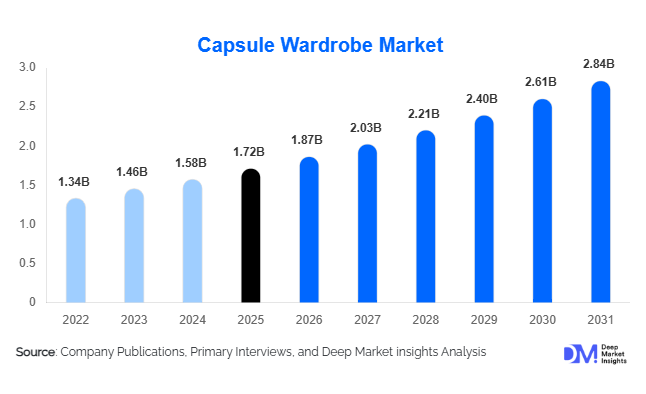
Bath Bomb Market Trends
Premium Natural Ingredient Adoption
Manufacturers are increasingly introducing bath bombs formulated with essential oils, shea butter, cocoa butter, botanical extracts, dried flowers, Himalayan salts, and naturally derived colorants to meet rising demand for clean beauty products. Consumers are actively shifting toward sulfate-free, vegan, cruelty-free, and biodegradable formulations that provide both skincare and relaxation benefits. Premium bath bomb collections featuring aromatherapy ingredients are becoming increasingly popular among wellness-conscious consumers, while sustainable packaging initiatives are helping brands strengthen their environmental positioning. Product differentiation through natural fragrances and skin-nourishing ingredients continues to support premiumization across the market.
Technology-Driven Product Personalization and Digital Retail Expansion
Digital commerce is transforming the bath bomb industry through personalized product recommendations, subscription-based wellness boxes, AI-enabled customer engagement, and direct-to-consumer sales channels. Manufacturers are expanding limited-edition collections, customizable fragrance combinations, and seasonal gift packs to improve customer retention and brand loyalty. Social media marketing, beauty influencers, and online product demonstrations continue to influence purchasing decisions, particularly among younger consumers seeking premium wellness products. Advanced manufacturing technologies are also improving product consistency, fragrance retention, and dissolution performance while reducing production waste.
Bath Bomb Market Drivers
Growing Consumer Focus on Wellness and Self-Care
The increasing emphasis on stress management, mental wellness, and premium skincare routines is significantly driving demand for bath bombs worldwide. Consumers are incorporating relaxing bath rituals into their daily lifestyles, creating sustained demand for products containing aromatherapy oils, botanical extracts, moisturizing agents, and therapeutic minerals. Rising disposable incomes, expanding wellness spending, and increasing awareness of premium personal care products continue to encourage manufacturers to introduce innovative bath bomb formulations that deliver both cosmetic and therapeutic benefits.
Expansion of Premium Beauty and Personal Care Industry
The continued growth of the global beauty and personal care sector is accelerating bath bomb adoption across developed and emerging markets. Premium cosmetic retailers, specialty wellness stores, supermarkets, and online marketplaces are expanding product accessibility, while gift-oriented beauty collections are increasing seasonal demand. The growing popularity of spa-inspired experiences at home and luxury bath products is encouraging continuous investment in product innovation, premium fragrances, and sustainable manufacturing practices.
Bath Bomb Market Restraints
Premium Product Pricing and Availability of Alternative Bath Products
Bath bombs remain premium-priced compared with conventional soaps, shower gels, and liquid bath products, limiting widespread adoption among price-sensitive consumers. High-quality ingredients such as essential oils, natural butters, botanical extracts, and biodegradable packaging materials increase manufacturing costs and retail pricing. The availability of lower-cost alternatives continues to restrict penetration across several developing economies, while inflationary pressure on raw materials further affects manufacturer profit margins.
Raw Material Price Volatility and Regulatory Compliance
Manufacturers continue to face challenges associated with fluctuating prices of essential oils, fragrances, natural colorants, and cosmetic-grade ingredients. Compliance with international cosmetic safety standards, ingredient labeling regulations, allergen disclosures, and environmental packaging requirements increases production complexity and operational costs. Smaller manufacturers often experience greater difficulty maintaining regulatory compliance while remaining price competitive in premium product categories.
Bath Bomb Market Opportunities
Expansion of Sustainable and Organic Product Portfolios
Growing consumer demand for environmentally friendly personal care products presents significant opportunities for manufacturers to expand organic bath bomb offerings. The adoption of biodegradable glitter, compostable packaging, plant-based fragrances, and naturally sourced moisturizing ingredients enables companies to strengthen brand differentiation while addressing sustainability objectives. Continued innovation in vegan formulations and eco-certified ingredients is expected to support long-term market expansion.
Increasing Demand for Personalized and Gift-Oriented Products
Consumers are increasingly purchasing bath bombs as premium gifts for holidays, birthdays, weddings, and wellness-themed celebrations. Customized fragrances, personalized packaging, limited-edition collections, and luxury gift boxes are expanding opportunities across both retail and e-commerce channels. Subscription-based beauty boxes and direct-to-consumer platforms are also creating recurring revenue opportunities for manufacturers targeting premium customer segments.
Report Scope
| Report Metric | Details |
|---|---|
| Market Size in 2025 | USD 1.72 Billion |
| Market Size in 2026 | USD 1.87 Billion |
| Market Size in 2031 | USD 2.84 Billion |
| CAGR | 8.7% (2026-2031) |
| Base Year for Estimation | 2025 |
| Historical Data | 2022-2024 |
| Forecast Period | 2026-2031 |
| Report Coverage | Revenue Forecast, Competitive Landscape, Supply Chain Disruption, Growth Factors, Environment & Regulatory Landscape and Trends |
| Geographies Covered | North America, Europe, APAC, Middle East and Africa, LATAM |
| Countries Covered | U.S., Canada, U.K., Germany, France, Spain, Italy, Russia, Nordic, Benelux, Rest of Europe, China, Korea, Japan, India, Australia, Singapore, Taiwan, South East Asia, Rest of Asia-Pacific, UAE, Turky, Saudi Arabia, South Africa, Egypt, Nigeria, Rest of MEA, Brazil, Mexico, Argentina, Chile, Colombia, Rest of LATAM |
Explore more data points, trends and opportunities Download Free Sample Report
Product Type Insights
Organic bath bombs represent the largest product category, primarily driven by rising consumer preference for clean-label personal care products, increasing awareness of harmful synthetic ingredients, and growing demand for natural wellness solutions. Consumers are increasingly seeking formulations containing essential oils, botanical extracts, organic butter, plant-derived colorants, and naturally sourced fragrances that align with sustainable lifestyle choices. The rapid expansion of vegan beauty, cruelty-free cosmetics, and environmentally responsible manufacturing has further strengthened demand for organic bath bombs across developed markets. Manufacturers continue investing in certified organic ingredients, biodegradable packaging, and preservative-free formulations to differentiate premium product offerings.
Conventional bath bombs continue to maintain a significant market presence owing to their competitive pricing, extensive fragrance varieties, colorful formulations, and broad availability across supermarkets, hypermarkets, pharmacies, and mass retail outlets. Their affordability makes them highly accessible to price-sensitive consumers while continuous product innovation through seasonal collections, novelty shapes, vibrant colors, and licensed character collaborations supports repeat purchases among younger consumers.
Therapeutic bath bombs are emerging as the fastest-growing product segment, supported by increasing consumer focus on stress management, muscle recovery, aromatherapy, sleep enhancement, and holistic wellness. Products enriched with Epsom salts, magnesium sulfate, CBD extracts (where permitted), herbal ingredients, moisturizing oils, and skin-conditioning vitamins are witnessing increasing adoption among health-conscious consumers seeking spa-like experiences at home. Growing awareness regarding self-care routines and mental wellness continues to accelerate demand for premium therapeutic formulations across global markets.
Application Insights
Household use accounts for the largest application segment due to the growing popularity of home-based wellness routines, self-care rituals, and premium bathing experiences. Busy lifestyles, increasing work-related stress, and greater consumer spending on personal wellness have significantly increased the adoption of bath bombs for relaxation, skincare, aromatherapy, and stress relief. Social media influence, beauty influencers, and wellness-focused content continue encouraging consumers to incorporate luxury bath products into their daily personal care routines.
Spa and wellness centers represent a major commercial application as professional wellness providers increasingly utilize therapeutic and luxury bath bomb formulations to enhance premium spa treatments, hydrotherapy sessions, aromatherapy therapies, and relaxation packages. The growing global wellness tourism industry, combined with increasing investments in luxury spas and wellness clinics, continues generating sustained institutional demand for high-quality bath bomb products.
Hospitality, gifting, and commercial applications continue expanding as luxury hotels, boutique resorts, premium vacation rentals, and corporate gifting programs increasingly incorporate customized bath bombs into guest amenities and wellness packages. Seasonal gifting trends, festive collections, personalized packaging, subscription gift boxes, and corporate wellness initiatives continue creating additional revenue opportunities for manufacturers while strengthening brand visibility across premium consumer segments.
Distribution Channel Insights
Online retail dominates the global bath bombs market due to rapidly expanding e-commerce penetration, increasing smartphone usage, and changing consumer purchasing behavior. Consumers increasingly prefer online platforms because they offer broader product selections, customer reviews, subscription services, exclusive product launches, personalized recommendations, and convenient home delivery. Beauty-focused marketplaces, brand-owned websites, social commerce, and influencer-driven marketing campaigns continue driving strong online sales growth worldwide.
Specialty cosmetic retailers remain an important distribution channel by offering premium beauty brands, exclusive collections, product demonstrations, personalized consultation, and experiential retail environments. Consumers seeking organic, therapeutic, vegan, or luxury bath products often prefer specialty stores due to greater product authenticity, knowledgeable staff, and premium shopping experiences.
Supermarkets, hypermarkets, pharmacies, and department stores continue supporting widespread product accessibility through extensive retail networks and impulse purchasing opportunities. These channels remain particularly important in emerging economies where organized retail continues expanding. In addition, direct-to-consumer business models, subscription beauty boxes, and influencer-led digital commerce continue strengthening customer engagement while improving profit margins for manufacturers through reduced intermediary dependence.
Explore more data points, trends and opportunities Download Free Sample Report
Capsule Wardrobe Market Segmentations
By Product Type
- Tops
- Bottoms
- Outerwear
By Distribution Channel
- Online Retail
- Offline Retail
- Direct-to-Consumer (D2C)
Regional Insights
North America
North America represents the largest regional market for bath bombs, supported by strong consumer expenditure on premium beauty products, high disposable incomes, widespread wellness adoption, and well-established personal care industries. The United States contributes the majority of regional demand, followed by Canada, where consumers increasingly prefer organic, vegan, cruelty-free, and aromatherapy-based bath products. Strong penetration of specialty cosmetic retailers, premium lifestyle brands, and direct-to-consumer beauty companies continues supporting market expansion.
Regional growth is primarily driven by rising consumer awareness regarding self-care and mental wellness, growing adoption of clean-label cosmetics, increasing online beauty purchases, expanding subscription beauty services, continuous premium product innovation, influencer-driven beauty marketing, and strong investments in sustainable personal care products. The presence of leading global beauty brands and advanced e-commerce infrastructure further accelerates regional market growth.
Europe
Europe remains one of the leading regional markets owing to high consumer awareness regarding sustainable cosmetics, organic ingredients, vegan formulations, and environmentally responsible packaging. Countries including the United Kingdom, Germany, France, Italy, and the Netherlands continue driving demand through well-established beauty industries, premium skincare adoption, and increasing consumer preference for ethical personal care products. Manufacturers continue introducing biodegradable packaging, refillable products, and naturally derived ingredients to comply with evolving consumer expectations.
Regional growth is driven by stringent environmental regulations, expanding demand for certified organic cosmetics, increasing investments in sustainable beauty manufacturing, rising consumer preference for cruelty-free and vegan products, growing wellness tourism, and continuous product innovation across premium skincare categories. Government initiatives supporting environmentally responsible manufacturing further strengthen long-term market expansion.
Asia-Pacific
Asia-Pacific is projected to record the fastest growth during the forecast period, supported by rapidly increasing disposable incomes, expanding middle-class populations, urbanization, and growing consumer spending on premium beauty and personal care products. China, Japan, South Korea, India, and Australia continue witnessing significant expansion in online cosmetic sales, skincare awareness, and luxury wellness consumption. Local manufacturers are also expanding premium product portfolios to cater to evolving consumer preferences.
Regional growth is fueled by rapid digital commerce expansion, increasing smartphone penetration, strong influence of social media and beauty influencers, growing K-beauty and J-beauty trends, expanding organized retail infrastructure, rising female workforce participation, and increasing awareness regarding natural skincare products. Continuous product launches and affordable premium offerings continue accelerating consumer adoption throughout the region.
Latin America
Latin America is witnessing steady market expansion, primarily driven by Brazil, Mexico, Argentina, and Chile, where increasing consumer awareness regarding premium skincare products and wellness routines is improving product demand. The region's expanding beauty industry and improving retail infrastructure continue creating favorable conditions for international and domestic manufacturers.
Regional growth is supported by rising disposable income, expanding e-commerce penetration, growing urban populations, increasing demand for affordable premium cosmetics, strengthening beauty retail chains, improving digital payment infrastructure, and growing popularity of self-care products among younger consumers. Manufacturers are increasingly introducing localized product portfolios and fragrance preferences tailored to regional consumer tastes.
Middle East & Africa
The Middle East & Africa market continues to expand through increasing luxury retail development, premium hospitality investments, and rising consumer expenditure on wellness and personal care products. The UAE and Saudi Arabia remain major regional markets due to strong demand for luxury cosmetics, premium spa treatments, and high-end hotel amenities, while South Africa continues supporting regional demand through its established beauty and personal care industry.
Regional growth is driven by increasing tourism activities, rapid expansion of luxury hotels and wellness resorts, rising disposable incomes across Gulf countries, growing investments in organized retail, increasing consumer preference for premium imported cosmetics, and expanding beauty e-commerce platforms. Government initiatives promoting tourism and hospitality development further strengthen long-term market opportunities across the region.
Key Players in the Bath Bomb Market
- Lush Cosmetics
- Da Bomb Bath Fizzers
- The Village Company
- LifeAround2Angels
- Beauty by Earth
- Chagrin Valley Soap & Salve
- Dr. Teal's
- New Directions Aromatics
- Bath & Body Works
- Bomb Cosmetics
- Level Naturals
- Body & Earth Inc.
- Happy Hippo Bath Co.
- Lamazuna
- Canary Bath